Bringing data to life through co-designed community art installations
What are algorithms? Why doesn’t my specialist have access to my GP records? How can I support my kids to navigate AI? These are common questions that were asked across five years of participatory data stewardship research at the University of Liverpool. Here, Dr Erin McCloskey and Dr Emily Rempel explore how these questions reveal something important: people want to understand how data shapes their lives.
From navigating the NHS to social media feeds, data increasingly influences the decisions, opportunities, and services we encounter every day. Yet the systems that collect and use data often remain invisible to our communities. In this increasingly datafied world – data literacy is a key skill that supports education, work, and social life. Knowing what data is out there, how it’s collected, and then how it is used is essential as technologies like ChatGPT becomes embedded in everyday spaces.
A Festival of Data
Our work at the Civic Data Cooperative was funded by regional government to explore how data can work for local communities. Art can communicate complex datasets and ideas that would otherwise stay behind the doors of the ivory tower or in our case open data websites. To close out our grant, we opened a wider conversation about what data means to our region through co-designed art installations.
In March 2026, we held the Festival of Data in Liverpool City Centre. The festival was a three-day data literacy engagement event designed to spark conversations among experts, community, and children about how data shows up in civic life.
The days were audience-specific:
- Day 1: Co-design workshops between seven artists and 260 year 6 school children to visualise regional data.
- Day 2: Presentations and workshops on data stewardship and innovation among local stakeholders.
- Day 3: An open day including the seven interactive art installations, short talks, and interactive activities aimed at families and young children.
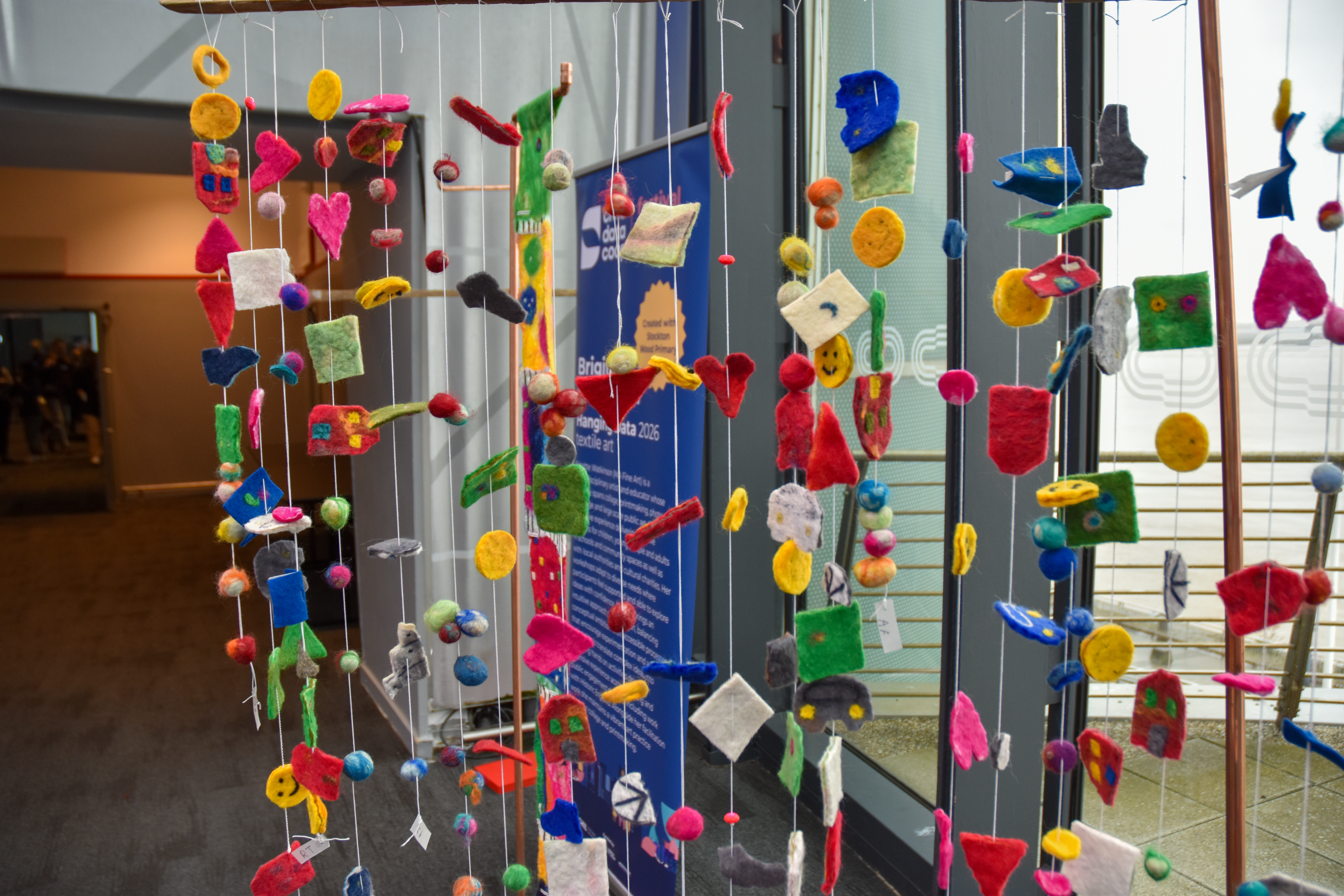
Figure 1: Hanging Data made by Brigitte Watkinson and Stockton Wood Primary
Bringing Data to Life
We commissioned seven local artists to create art installations inspired by regional datasets. Each artist selected a topic and data set they felt connected to, translating the numbers and patterns into creative works through a range of artistic mediums. They visualised open data on health, mental wellbeing, digital access, green space, housing, and sport.
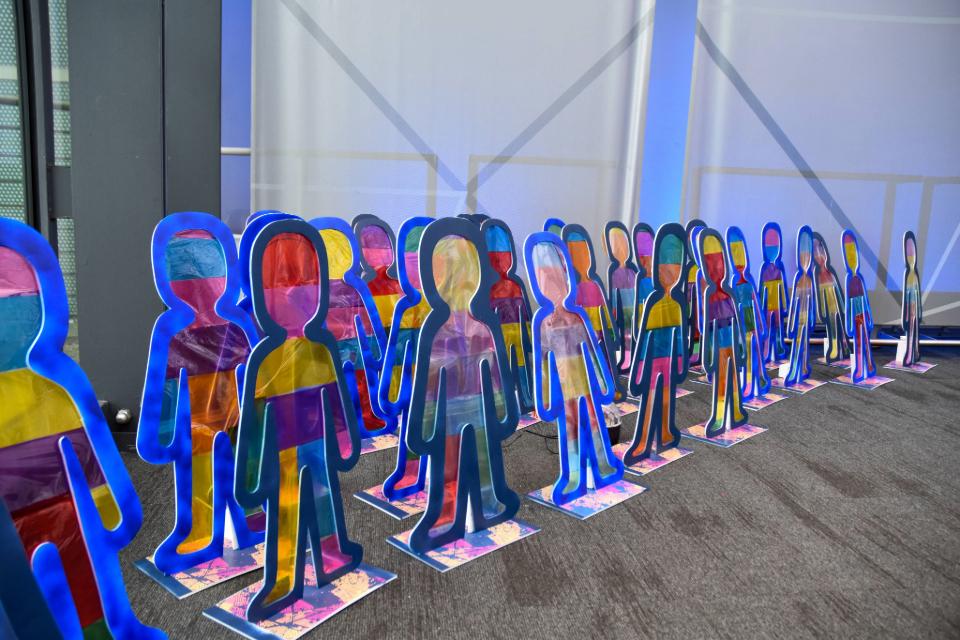
Over 260 local school children helped co-design the installations. They made braids that represented how many people had access to internet and smartphones in each local authority. They helped create faux stained-glass children that visualised how accessible healthy food is to kids like them. They even helped build a soundscape that represented green space in their local area.
Teachers were pleasantly surprised by how quickly students engaged with the artists and the creative process. Data can feel abstract in the classroom, but many children immediately immersed themselves in the workshops, showing both focus and enthusiasm as they collaborated with artists to co-create the installations.
At the same time, visualising open community data meant telling complex stories. Artists found some data sets could make children feel worried about their local area. The data did not always tell a positive or complete story. Artists felt further time with both the school children and data topics would help expand the stories they wanted to tell.
Across the three days, the scale and energy of the festival exceeded expectations. Artists described a constant ‘buzz’ throughout the venue, with visitors moving between exhibitions and hands-on activities. The art installations were visually striking and encouraged people to explore local datasets in unexpected ways. From talking about the intricacies of coding to better understanding the needs of the area, the installations truly sparked conversation. Co-designing art exhibitions with community and local artists brought data and data literacy to life.
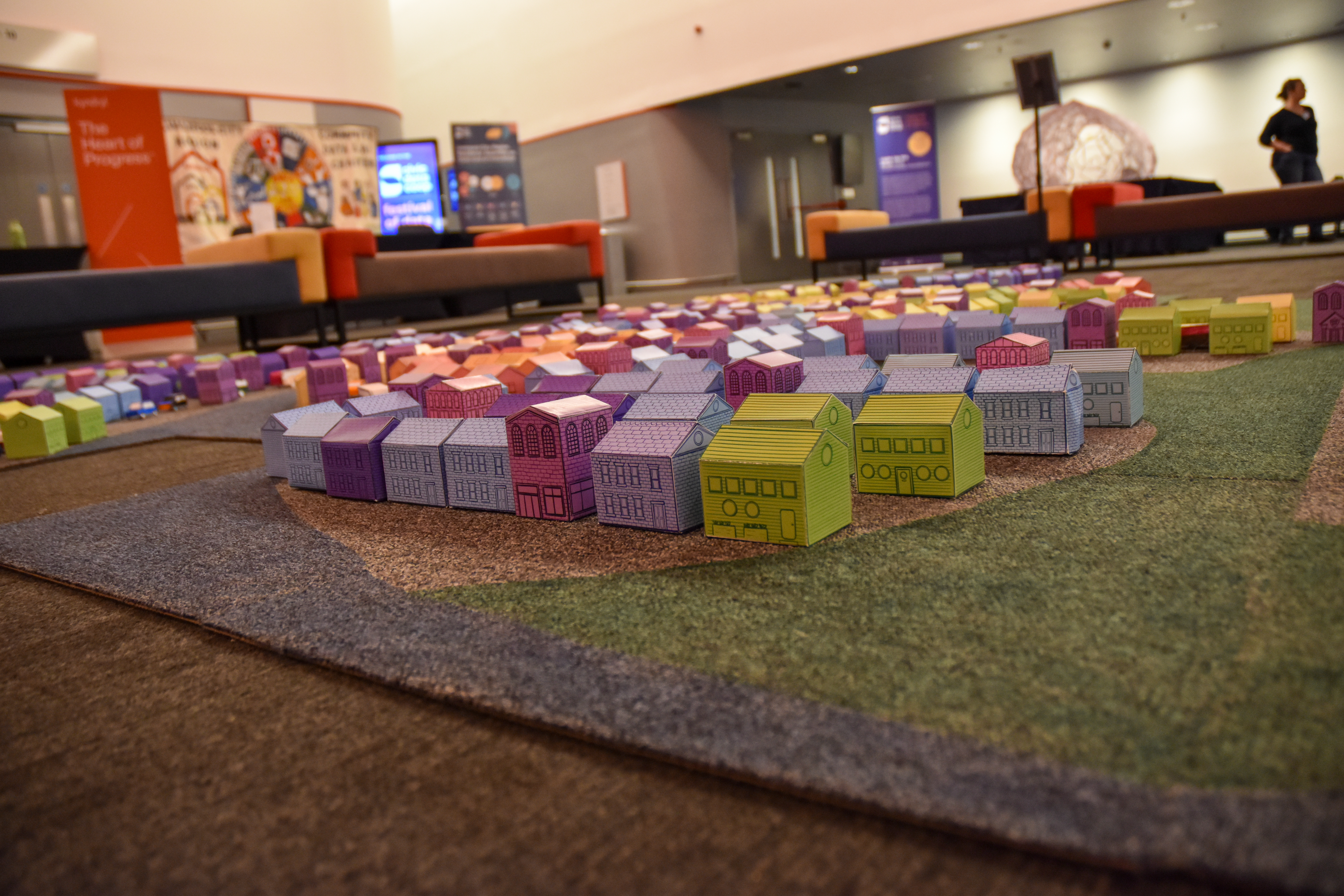
Figure 2: Village of Data made by Rachael Prime and Lawrence Community Primary