University of Plymouth
Why we've signed the Manifesto
The most thrilling part of research will always be finding things we do not know. But talking to the public can open your mind in surprising and inspiring ways. I used to work in the global energy sector and developed a clear understanding of the science involved. But when I talked to people, they asked less about science and more about trust and understanding. It changed my mindset and meant my work took on a completely different dimension.
I try to encourage every researcher here in Plymouth to do the same, which is why we signed the NCCPE’s Manifesto for Public Engagement. We work in disciplines with wide-ranging impacts, whether that’s forging innovations in autonomous technologies, exploring treatments for brain tumours, or driving ambitions across the creative industries. But in all of them, people are critical.
So we don’t simply throw our research out and hope it lands – it’s a two-way street. We listen to our partners and ensure our work has local and global relevance. We identify the key questions they want answered and think outside the box to answer them. And we talk to people of all ages, so it delivers impact that is relevant for people now but also inspires future generations.
Professor Richard Davies, Vice-Chancellor
Our approach to public engagement

At the University of Plymouth, public engagement isn't just a box to tick; it's ingrained in our ethos and institutional strategies. Our commitment to meaningful public engagement is underpinned by our Research and Innovation strategy that pledges to support public engagement with research to enable us to embed the principles of public engagement within our research culture and develop a community of practice across the university.
We foster a dynamic environment where public engagement thrives, recognising the diverse methods and motivations behind engaging with communities - from involving the public in research design to maintaining continuous involvement throughout the research lifecycle.
We believe that our publics are indispensable partners in addressing global challenges and shaping research that truly makes a difference. By actively listening to their perspectives and embracing co-design, we ensure that our research remains relevant and impactful, disseminating research findings in accessible and meaningful ways and ensuring that our work benefits wider society.
Our public engagement isn't just a means to an end; it's the cornerstone of inclusive, impactful research that enriches the lives of all involved. At the University of Plymouth, we're not just conducting research; we're fostering connections, driving innovation, and making a tangible difference in the world.
Our public engagement hallmark
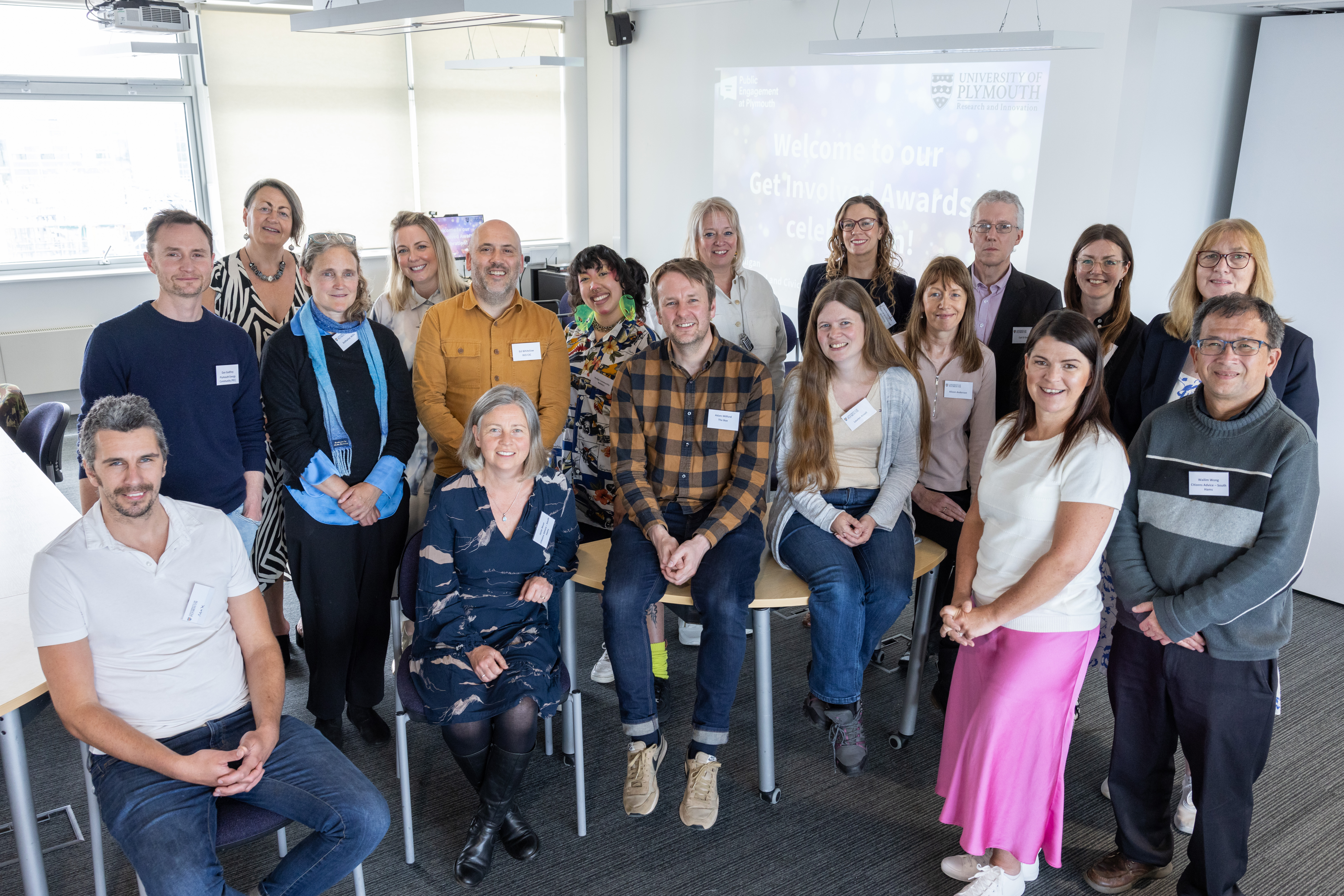
Our Get Involved Awards embody our approach to public engagement, reflecting our commitment to collaborative research and community involvement. This internally funded initiative, rooted in our institution's values, facilitates partnerships between local groups, charities, and social enterprises with our researchers to address community issues.
Through the Get Involved Awards, we provide a platform for meaningful engagement, allowing community stakeholders to shape research agendas. This initiative aligns with our Public Engagement Strategic Plan, highlighting our belief in the importance of inclusive, citizen-led research.
By fostering these connections, we aim to address local challenges while strengthening community engagement. From raising awareness of skateboard safety following the death of a young skater, to assessing the impact of racist incidents on the community in Plymouth, the Get Involved Awards symbolise our dedication to supporting and nurturing partnerships that make a real difference. The awards have supported more than 20 projects since they began in 2021 and continue to be a significant part of our public engagement plans.
Our public engagement talking point
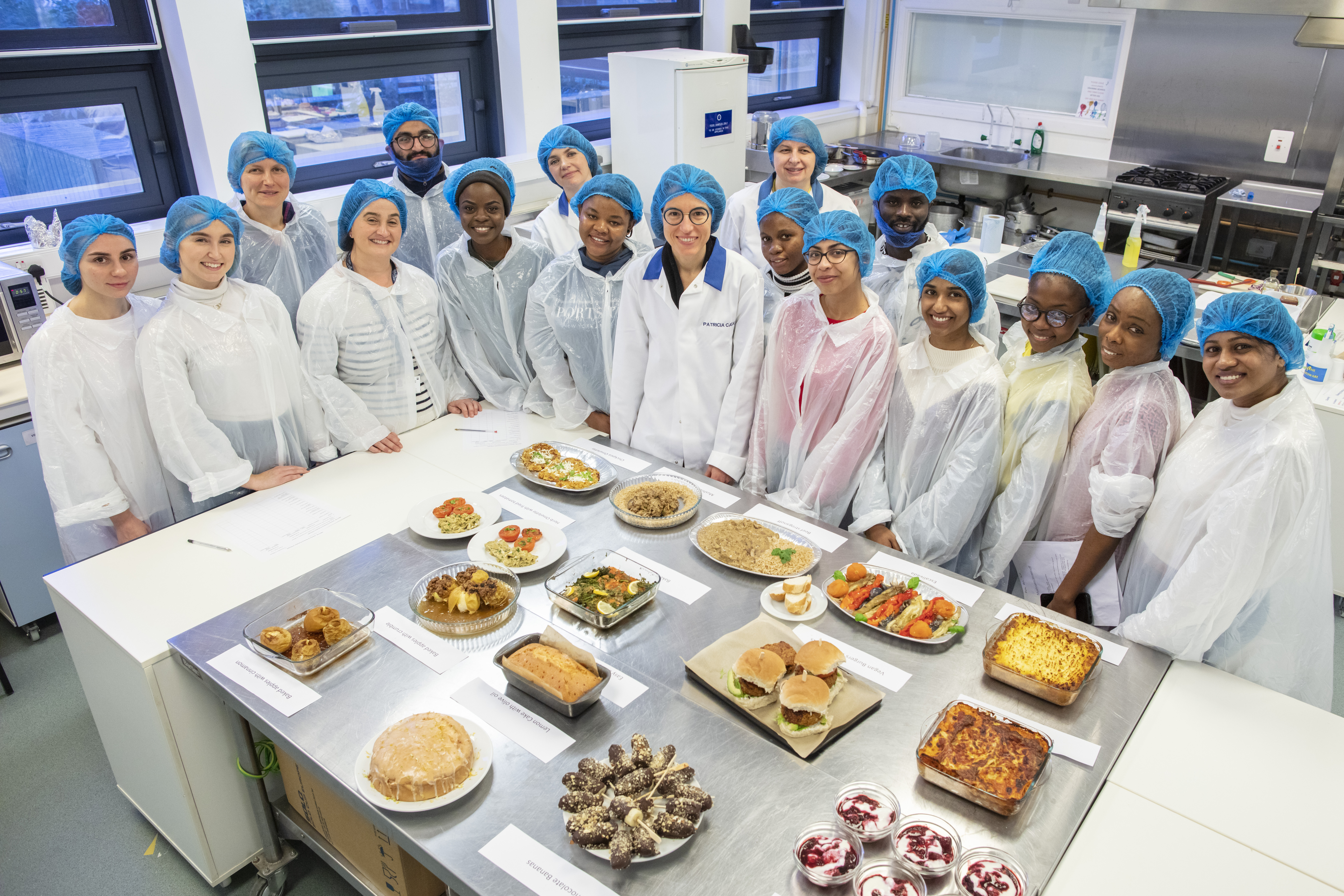
Engaging participants in public engagement activities is crucial, yet navigating the terrain of compensating their time presents multifaceted challenges. We've realised that beyond administrative hurdles lies a deeper ethical consideration: how do we fairly compensate individuals while considering their diverse circumstances?
One key lesson we've learned is the importance of flexible compensation models that accommodate varying needs. While monetary compensation is often necessary, it's equally essential to offer alternatives such as vouchers, training opportunities, or reciprocal community support.
Moreover, we're grappling with the broader sectoral question: how do we ensure equitable access to participation regardless of financial status? This provocation urges us to explore innovative solutions, such as establishing dedicated funds for participant remuneration or advocating for policy changes that mitigate the impact on individuals receiving benefits.
Our vision for public engagement involves fostering a culture of respect and reciprocity, where participants feel valued and empowered. Moving forward, we aspire to co-create compensation frameworks that not only streamline administrative processes but also uphold the dignity and rights of all involved. This conversation invites us to re-examine our practices and champion inclusive approaches that respects the contributions of every public.
Our public engagement people
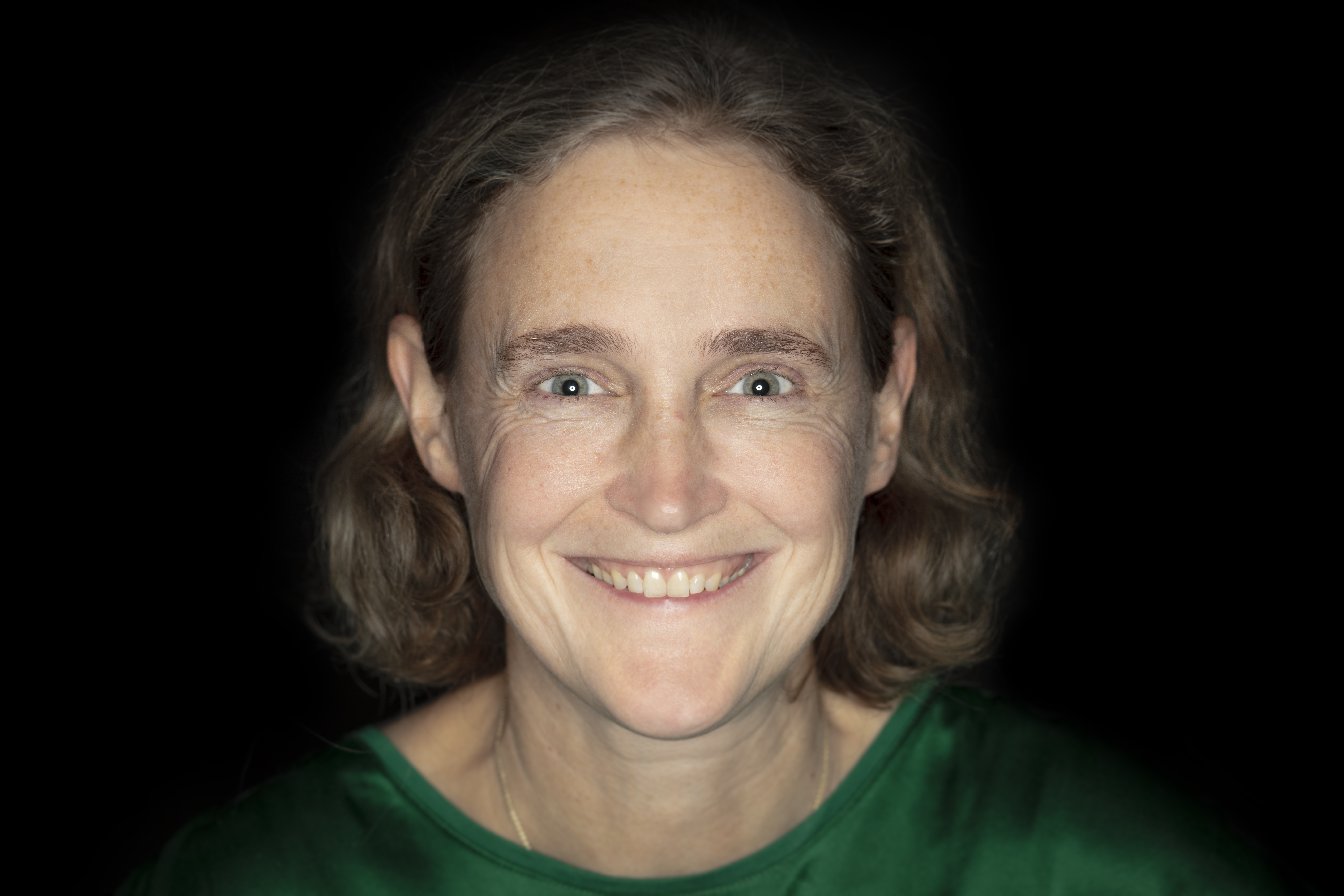
Place-based, participatory and inclusive
Katharine Willis, Professor of Smart Cities and Communities, is a leading researcher in the future of cities and communities and how technology shapes our relationships and behaviours in the places we live. This work is grounded in a participatory approach and aims to involve communities in addressing societal challenges. Through developing place based partnerships, where communities themselves help to define the problems they wish to solve, this seeks to empower them to create meaningful and long term societal impact. In this sense, public engagement is about a deeper commitment to driving change in places, and about building equitable partnerships. Inclusion is central to this approach and whether this be engaging with excluded communities in India and Brazil or in some of the most deprived communities in the South West, the research recognises and responds to where people and communities lack the skills or capacity for change through innovative digital tools and projects.
Katharine believes that “Universities have a key role to play in supporting and sustaining vibrant places and empowering the most excluded to overcome the barriers they face. Through listening and working collaboratively what is possible in a participatory approach it can be possible find ways to help communities imagine just futures. For example with the our recent AHRC Design Exchange partnerships research we embed a partnership approach in the project”